FileHousing
Replacing Windows This Year? What the Label Covers, What the Warranty Covers, and What Neither Does
Double glazing saves real money in some categories and very little in others. The NFRC label, the warranty terms and your cancellation rights decide which you end up with.
- ByDesmond Falk
- Cut11/16/26
- Length1,042 words
- Read4 min
The quote for replacement windows is a one-time number. The reason most households sign it is a recurring number: the heating and cooling bill, year after year, for as long as they own the house. Those two figures get compared loosely in a sales conversation and precisely almost nowhere else. The useful work happens before signing, in three documents that are easy to obtain and rarely read side by side: the performance label on the window itself, the warranty that comes with it, and the contract that governs the installation.
The label is the only comparison that is genuinely apples to apples
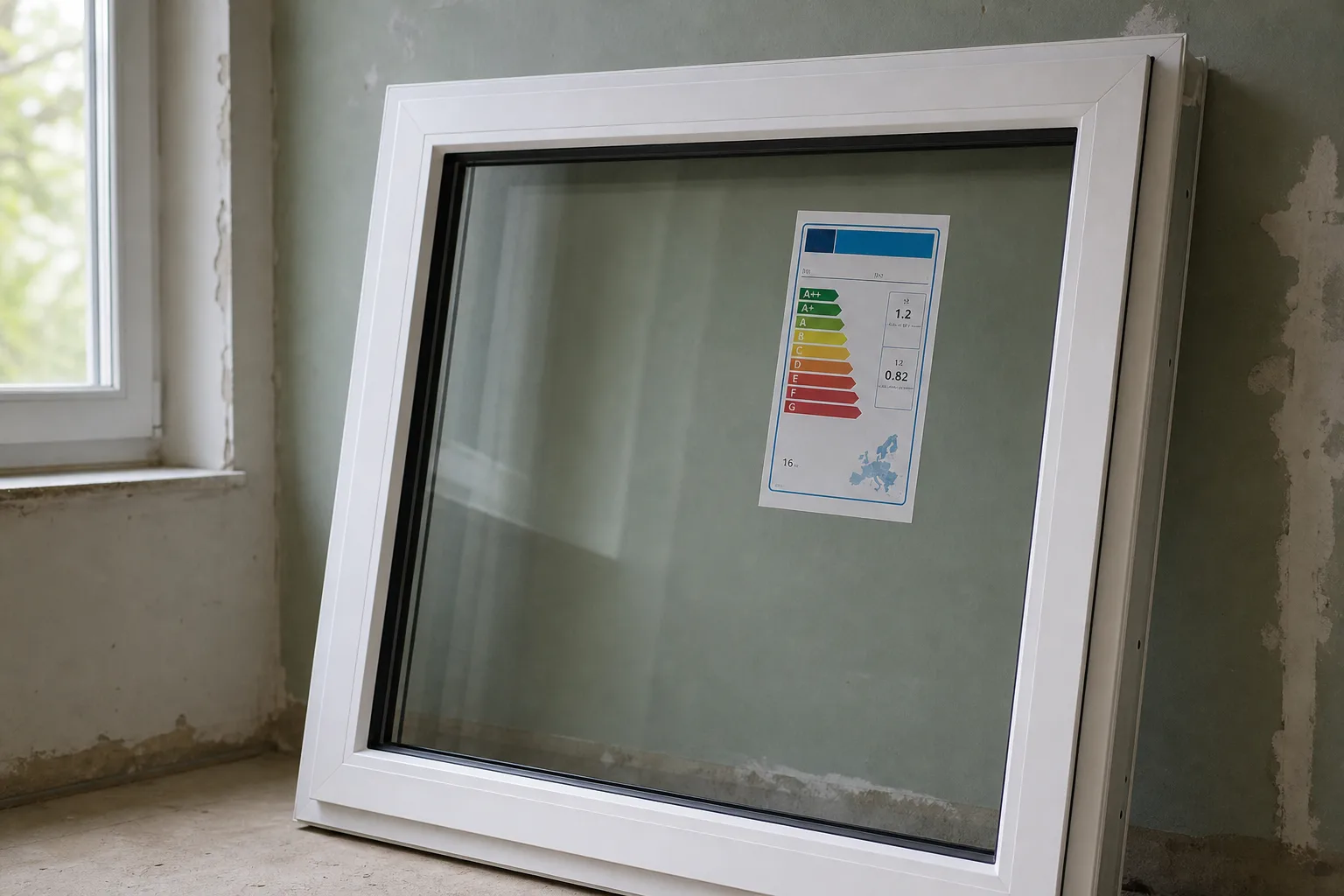
Nearly every residential window sold in the United States carries a rating label from the National Fenestration Rating Council. It is the one piece of paper that lets you set two quotes next to each other without taking anyone's word for anything. Four numbers matter to a household.
- U-factor measures how fast heat escapes through the whole window assembly, glass and frame together. Lower is better. This is the number that moves a winter heating bill.
- Solar Heat Gain Coefficient measures how much of the sun's heat the window lets through. Lower reduces summer cooling load. Higher is sometimes preferable on a south-facing wall in a cold climate.
- Air leakage measures how much air passes through the unit itself under test conditions. This is distinct from how well the window is installed.
- Visible transmittance tells you how much daylight comes through, which is a comfort question rather than a cost one.
Energy Star, administered by the Environmental Protection Agency, sets qualifying thresholds for these ratings by climate zone, so a window that qualifies in Minnesota may be rated against different criteria than one in Georgia. When a salesperson describes a product as efficient, the answerable follow-up is which zone it qualifies in and what the whole-window U-factor is. Center-of-glass numbers are usually better than whole-window numbers, and a quote that cites one without labeling it is not comparable to a quote that cites the other.
What the glass saves, and what the installer saves
Two separate savings are being bundled into one promise. The first comes from the glazing: a sealed insulating glass unit with a low-emissivity coating and an inert gas fill conducts far less heat than single glazing. That is a product property, and the label measures it.
The second comes from closing the gap between the window and the wall. Older windows often lose more energy around the frame than through the glass, through failed caulk, gaps in the rough opening, and a sash that no longer seats. That portion of the saving belongs entirely to the installation crew, and no label on earth measures it. A premium unit set badly can underperform a mid-tier unit set properly, which is why the installation warranty deserves as much attention as the product warranty.
Set expectations by category. Double glazing reliably reduces conducted heat loss and solves cold drafts near seating areas. It reduces condensation on the interior glass, which protects sills and trim over a long ownership. It cuts some traffic noise, mostly in the higher frequencies, with laminated glass or unequal glass thicknesses doing considerably more than standard double glazing. It does not insulate a wall, a rim joist, or an attic hatch, and in a house where those are untouched the bill will move less than the brochure suggests.
Two warranties, sometimes three, and the dates inside them
The dominant long-term failure mode of a double-glazed unit is seal failure: the perimeter seal breaks down, moisture enters the cavity, and the glass fogs permanently. Manufacturers typically warrant the insulating glass unit against seal failure for a defined term, often with separate and shorter terms for hardware, screens, and finishes. The provisions that decide whether that warranty is worth anything to you are usually these:
- Prorated or full replacement. A prorated warranty pays a declining share as the years pass, so a failure in year twelve of a twenty-year term may return a small fraction of the replacement cost.
- Glass only, or glass and labor. Many product warranties cover the sealed unit and exclude the labor to install it. On a second-story window, labor can be the larger line.
- Registration deadlines. Some manufacturers require registration within a set window after installation for the full term to apply.
- Transferability. Whether coverage survives a sale, and whether it does so once or indefinitely, matters to anyone who may not be the last owner of the house.
The installer's workmanship warranty is a separate document covering flashing, sealing, and interior finish. Ask for it in writing with its own term, because a product warranty generally excludes defects caused by improper installation. A contractor who carries state licensing and a workmanship warranty of several years is giving you a second party to call when the fault is ambiguous.
The protections that attach to the purchase itself
Window replacement is one of the categories still sold door to door and at the kitchen table. Federal rules give consumers a three-day right to cancel certain sales made at the buyer's home, with the seller required to provide written notice of that right. Many states layer additional home improvement contract requirements on top: a written contract before work begins, a stated total price, a payment schedule, and limits on the deposit a contractor may collect. Check your state's contractor licensing board for the rules that apply where the house sits.
On the tax side, a federal credit for energy efficient home improvements has applied to qualifying windows, with annual caps and an efficiency tier that products must meet. The IRS sets the terms, they have changed more than once, and the documentation a household needs is the manufacturer's certification statement plus an itemized invoice separating product from labor. Ask the installer for both at the time of purchase rather than the following April.
Measured honestly, the return on double glazing arrives partly as a lower bill and partly as a house that is comfortable in rooms that were not, with a sealed unit that holds its clarity for decades. Both are worth paying for. Knowing which one you are buying, and which document protects it, is what keeps the second number from surprising you.