FileHousing
Storm Damage on the Roof? The File You Build Before the Storm Decides How It Settles
What wind and hail actually do to an exterior, and the specific documents that turn a roofing claim from an argument into a paperwork exercise.
- ByDesmond Falk
- Cut9/23/26
- Length1,146 words
- Read5 min
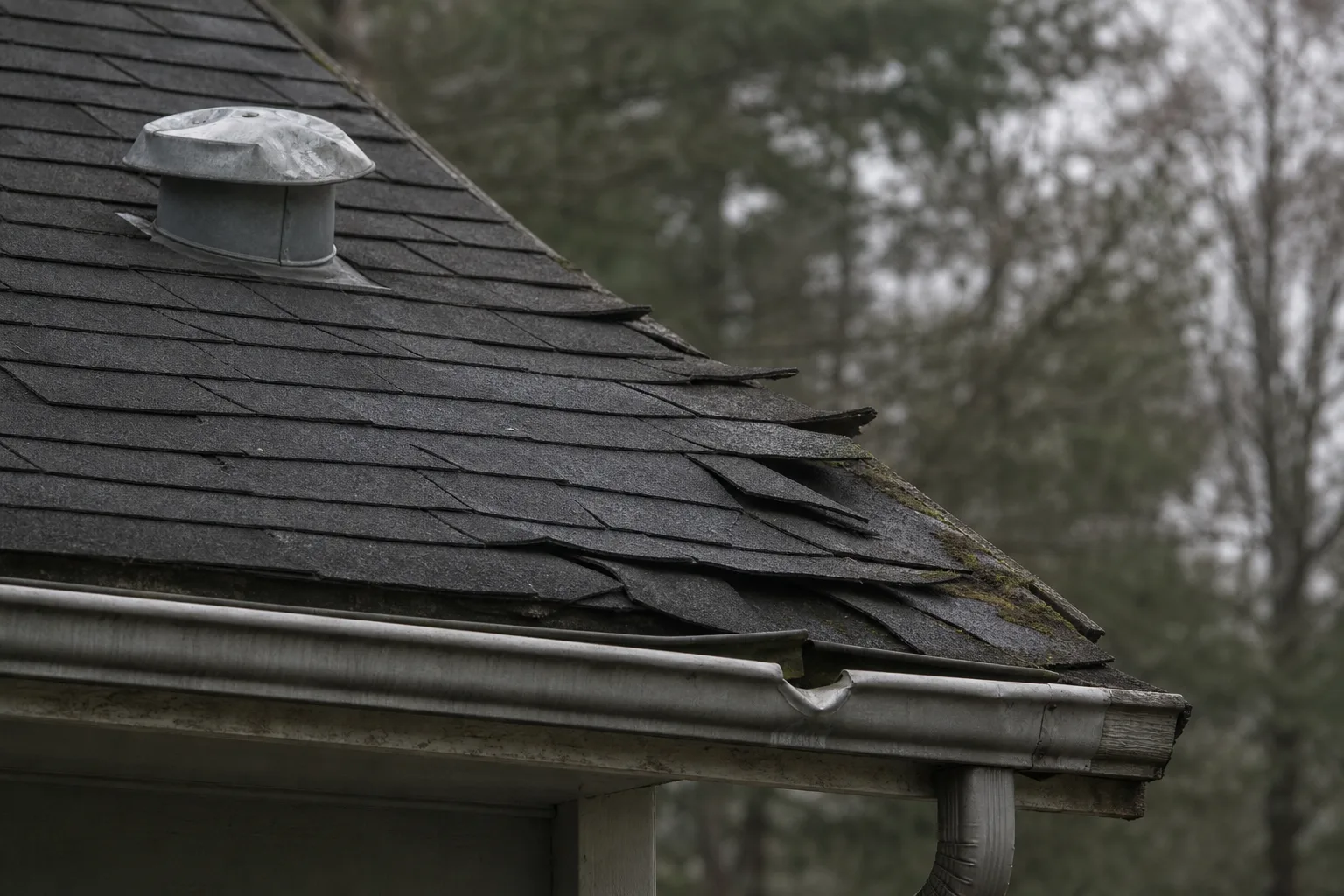
Owners who have been through four or five storm claims stop treating the loss as the beginning of the process. The claim starts earlier, in a folder that already exists: dated photographs of a roof in good condition, the declarations page with the wind and hail deductible circled, the invoice from the last time anyone was up there. The people who settle quickly are almost never the ones who argue hardest. They are the ones who can produce a document when asked.
What follows is the mechanical side (what storms actually do to an exterior, since that determines what gets paid) and then the administrative side, which is where most of the money is won or lost.
The damage is specific, and so is the coverage
A standard homeowners policy covers sudden, accidental physical damage from a covered peril. Wind and hail are typically covered perils. Wear, deterioration, poor workmanship and long-term neglect are typically not. That single distinction drives most disputed roofing claims, and it is why adjusters look at the failure mode rather than the general condition of the roof.
Wind rarely lifts a field of shingles off the middle of a slope. It works the edges. Uplift concentrates at rakes, eaves, ridges and around penetrations, where the sealant strip has released or was never fully bonded. A wind claim usually looks like creased shingles, a line of missing tabs near a rake, lifted ridge caps, or metal drip edge peeled back. Damage that appears in a band, following the geometry of the roof, reads as wind.
Hail leaves a different signature. On asphalt shingles, an impact bruise is a soft spot where granules have been displaced and the mat beneath has been fractured. Adjusters test for it by feel as much as by eye. Soft metals are the corroborating evidence: gutters, downspouts, furnace and plumbing vent caps, air conditioner condenser fins, and any aluminum fascia. If the vent caps are dimpled and the gutters are dented, a hail event happened. If they are clean, an adjuster will be skeptical that the granule loss on the south slope is anything but age.
Wind-driven rain is the third category and the one owners most often misread. Water that enters through an opening the storm created is usually handled as part of the storm loss. Water that enters through a roof that was already failing, or that rises from the ground, sits in different territory: surface water and flood are excluded from standard homeowners policies and handled separately. The National Weather Service, part of the National Oceanic and Atmospheric Administration, is the federal authority responsible for issuing storm warnings and maintaining the public record of severe weather events, and that public record matters more to a claim than most owners expect.
The pre-loss file, which takes an hour a year
The most useful document in a storm claim is a photograph taken months before the storm. It establishes that the roof was intact, which is the fact an insurer is least able to verify after the fact and most likely to question.
A workable annual file contains:
- A dated photo set. Each slope from the ground with a long lens, both gutter runs, each elevation of siding, and close shots of vent caps and the condenser. Ten minutes with a phone. Store them somewhere that preserves the capture date.
- The roof's age and origin. The original invoice, the permit record, or the closing documents that named the roof's age at purchase. Depreciation is calculated against age, so the burden of proving a roof is eight years old rather than nineteen falls on the owner.
- Every repair invoice. A record of a pipe boot replaced in a prior year is evidence of maintenance, and it also prevents the same repair from being characterized later as pre-existing damage.
- The declarations page, read. Specifically the wind and hail deductible, which in many states is a percentage of the dwelling limit rather than a flat dollar amount, and any endorsement that converts roof coverage to actual cash value or applies a schedule by roof age.
Owners who keep this file tend to discover the deductible structure in October, when it can be changed at renewal, rather than in May, when it cannot.
Fixing the date of loss
Claims are paid against a specific date, and a claim filed with a vague date invites a vague response. Before calling the carrier, pin the date down.
Public storm reports record hail size and wind gusts by county and time. Local reporting from the same day helps. So do neighbors: if three houses on the block have already had roofs replaced under claims from the same date, that date is established and the carrier already knows it. Write the date, the reported hail size or gust speed, and the source into the first line of the claim notes. It changes the tone of the entire file.
The estimate is a document, not a number
Carrier estimates are written in line-item software, priced by ZIP code, and they list every component: tear-off by square, underlayment, starter course, ridge cap, drip edge, pipe boots, flashing, disposal, and the steep or high charges where they apply. A contractor's proposal that says "replace roof, $X" cannot be compared to that. Ask for the bid in the same line-item form.
Where the two documents differ, the difference is usually one of three things: a missing quantity, a missing component, or a code requirement. Measurements are settled with an aerial measurement report, which any reputable roofer can order and which gives squares, ridge and eave lengths, and pitch. Missing components are settled by naming the line item. Code requirements (ice barrier, drip edge, additional fasteners, a full deck replacement where spacing is too wide for new sheathing) are handled through ordinance or law coverage if the policy carries it, and that is worth checking before the tear-off begins.
Requests to add items are supplements. They are routine, they are expected, and the ones that get approved come with a photograph, a code citation or a measurement attached.
Mitigation and receipts
Most policies obligate the owner to prevent further damage and reimburse the reasonable cost of doing so. Tarping, board-up, water extraction and temporary repairs generally fall in that category. Keep the invoice separate from the repair contract so it does not get absorbed, photograph the damage before the tarp goes on, and keep hotel and meal receipts if the house became uninhabitable, since additional living expense is a separate coverage with its own limit.
Owners who have done this several times keep a single folder per event: photos before, photos after, storm report, claim number, adjuster name, both estimates, every receipt. It is the same folder each time. The second storm is considerably less expensive than the first, and almost none of that has to do with the roof.