FileLegal
Which Documents Are Impossible to Get Once a Dispute Has Already Turned Contentious?
A file assembled while a matter is still live is worth several times one built afterward, and most of what it holds takes minutes to obtain at the right moment.
- ByRosalind Ntuli
- Cut8/11/26
- Length1,223 words
- Read5 min
Ask anybody who advises on disputes for a living what separates a strong file from a weak one and the answer is almost never about the quality of the documents. It is about when they were collected. People assembling a file usually begin once a matter has already turned contentious, which is precisely the point at which several of the most useful items have become awkward or impossible to obtain, because a request that was routine in week two has become a signal by month six. Collected as the matter develops, the same file takes very little effort and is considerably stronger.
The Spine of the File
The agreement itself comes first and should be complete: the contract, the accepted estimate, the lease, the policy, or the terms attached to an order, in full rather than the relevant page, including anything incorporated by reference and never actually sent. Ask for a complete copy early, while the relationship is still normal, because the request is unremarkable then and pointed later. Every change to that agreement belongs beside it, meaning change orders, addenda, amendments and the email in which something was agreed differently on a Tuesday afternoon.
Verbal changes are where most disputes originate, so a short message confirming what was agreed converts a conversation into a document at the moment it costs nothing to do so. The payment record completes the spine: what was paid, when, by what method, and against what stage of the work. Bank and card records establish all of that independently of anybody account of events, and issuers will produce statements going back years on request. That makes this the one part of the file that can still be assembled reliably after the fact.
What You Create as It Develops
A dated chronology is the first and the most useful, running one line per event in date order, factual and without argument, started on the day the matter becomes a matter and added to as things happen. It is the document every professional you consult will read before anything else, and it is the reason a consultation costs one hour rather than three. Contemporaneous notes of conversations come second, written during or immediately afterward with the date, who was involved, what was said and what was agreed.
Confirming emails are the third and do the same work in a form the other side has seen, since a short message after any significant call setting out your understanding and inviting correction produces a dated record whether or not anybody answers it. Photographs and video are the fourth, taken from consistent positions so a sequence shows change over time, including wide shots that establish context alongside the close ones, with the original files kept where they were created rather than only the copies that were shared.
What You Request From Somebody Else
Independent estimates or opinions are the first of the three, and two written estimates from parties with no involvement in the original work establish what a remedy actually costs. Where the question is technical, a written opinion from a qualified inspector is the item that most often moves a matter and is generally inexpensive set against what is in dispute. Public records are the second: permits, inspection results, plans and licensing history sit with the building department and the state board, are typically public, and cost a small fee at most.
Whether a permit was pulled and what an inspector signed off frequently settles a question that would otherwise be argued for months. The other side own documents are the third, meaning their invoices, their reports and their correspondence with third parties, some of which arrives naturally, some of which can be requested politely and is often simply provided, and the rest of which is obtainable through formal process if the matter proceeds. Asking early and informally is the entire technique, because the same request becomes a negotiation once positions have hardened.
How to Keep It, and Three Things That Weaken It
One folder, physical or digital, everything in date order and nothing removed. Two habits keep it useful. Keep the unhelpful documents in it, because a file with visible gaps invites questions about what used to be in them. Any professional advising you needs the whole picture in order to price the matter correctly, while anything genuinely damaging is far better identified early than discovered by the other side. And keep originals unaltered rather than retyping notes into a tidier summary or editing photographs into something clearer.
Files are damaged as often by what gets added as by what is missing, and three additions recur. A narrative written after the fact and presented as a record is treated very differently from notes made at the time, so write the summary if it helps you think and label it honestly with the date it was actually written. Opinions about the other party motives, competence or character are unprovable and move a reader attention from what happened to how you feel about it. And selective excerpts raise the question of what was cropped out.
Preserving What Disappears on Its Own
Several categories of evidence have a shelf life measured in months, and losing them is usually a matter of routine rather than of anybody decision. Messages and app conversations vanish with a device upgrade or an automatic deletion setting, so the thread should be exported and stored somewhere other than the phone. Voicemail gets purged by most carriers after a period, which makes saving the audio file worth doing the week it arrives. Video from a doorbell or security camera frequently has cloud retention measured in days.
Web pages belong in the same category, since an advertisement, a listing or a set of terms can be edited without notice, and a full page capture with the date visible is stronger than a screenshot of one section. So does the condition of the thing itself: where a repair has to proceed before a dispute resolves, photograph and video everything first, and where practical keep the failed component in a labeled bag, because a replaced part is frequently the most persuasive object in the entire file and costs nothing to retain.
The Half Hour That Makes the Rest Work
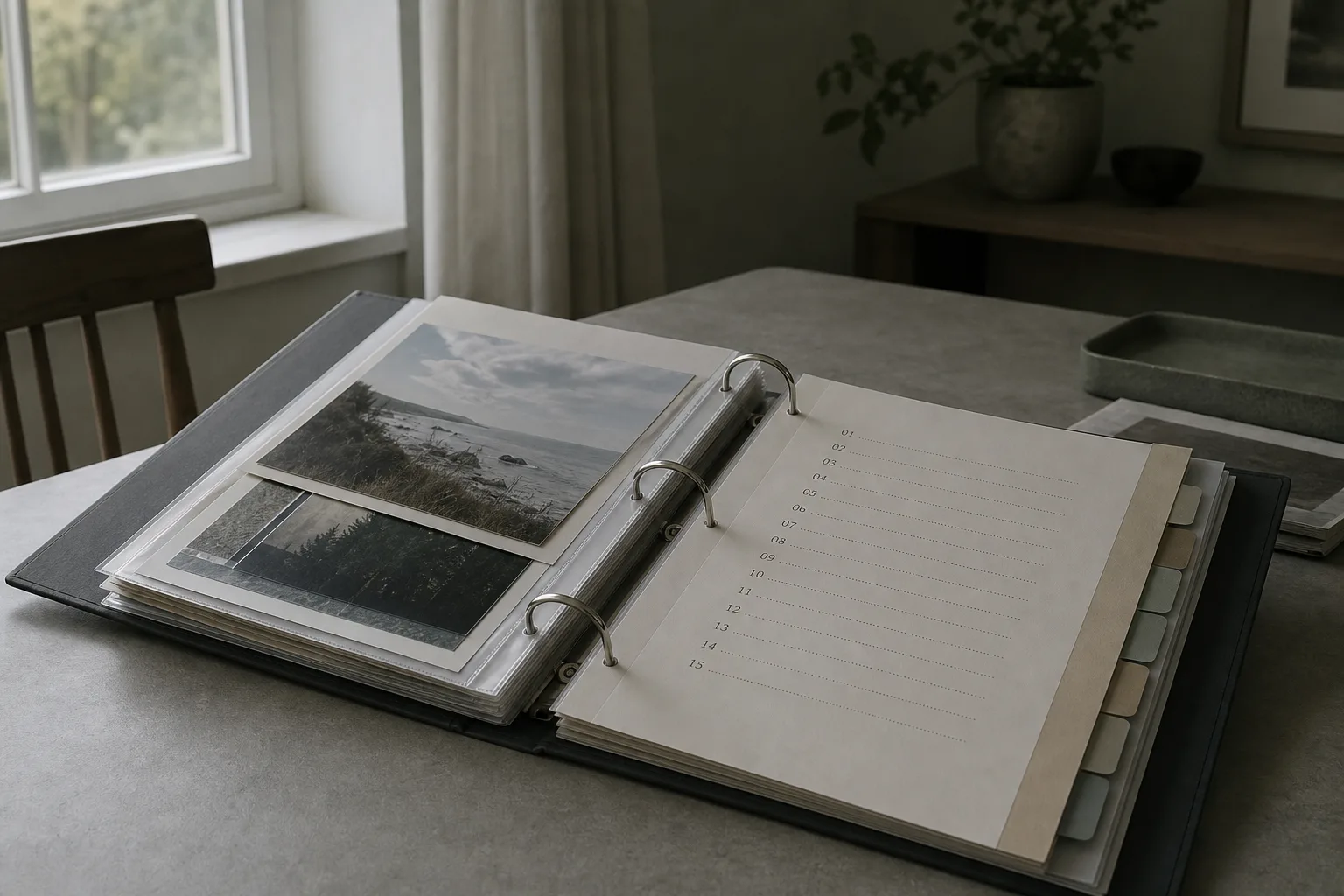
Once the file reaches a certain size, spend half an hour producing an index: a numbered list of every document with its date and a few words of description. It takes very little time and does two things that nothing else does. It reveals what is missing, which is almost always something still obtainable at that stage. It makes the file usable by somebody other than you, which matters as soon as a professional becomes involved or the matter runs long enough that your own memory of what is in there has faded.
Collected this way, a dispute file is a byproduct of paying attention rather than a project undertaken in a bad week. That is the whole difference between a strong file and a weak one. It is decided months before anybody knows the matter will be contested at all, which is the uncomfortable part and also the encouraging one. The habits involved cost a few minutes each and are useful even where no dispute ever arrives. They are entirely available to anybody willing to send a short email after a phone call.