FileLegal
Small Claims Courts Were Built for the Disputes People Most Often Take to a Law Office
These courts exist for modest sums, clear facts and a party who is not paying, and the sorting rule that separates them from a civil filing is simpler than it looks.
- BySylvia Achterberg
- Cut3/4/26
- Length1,203 words
- Read5 min
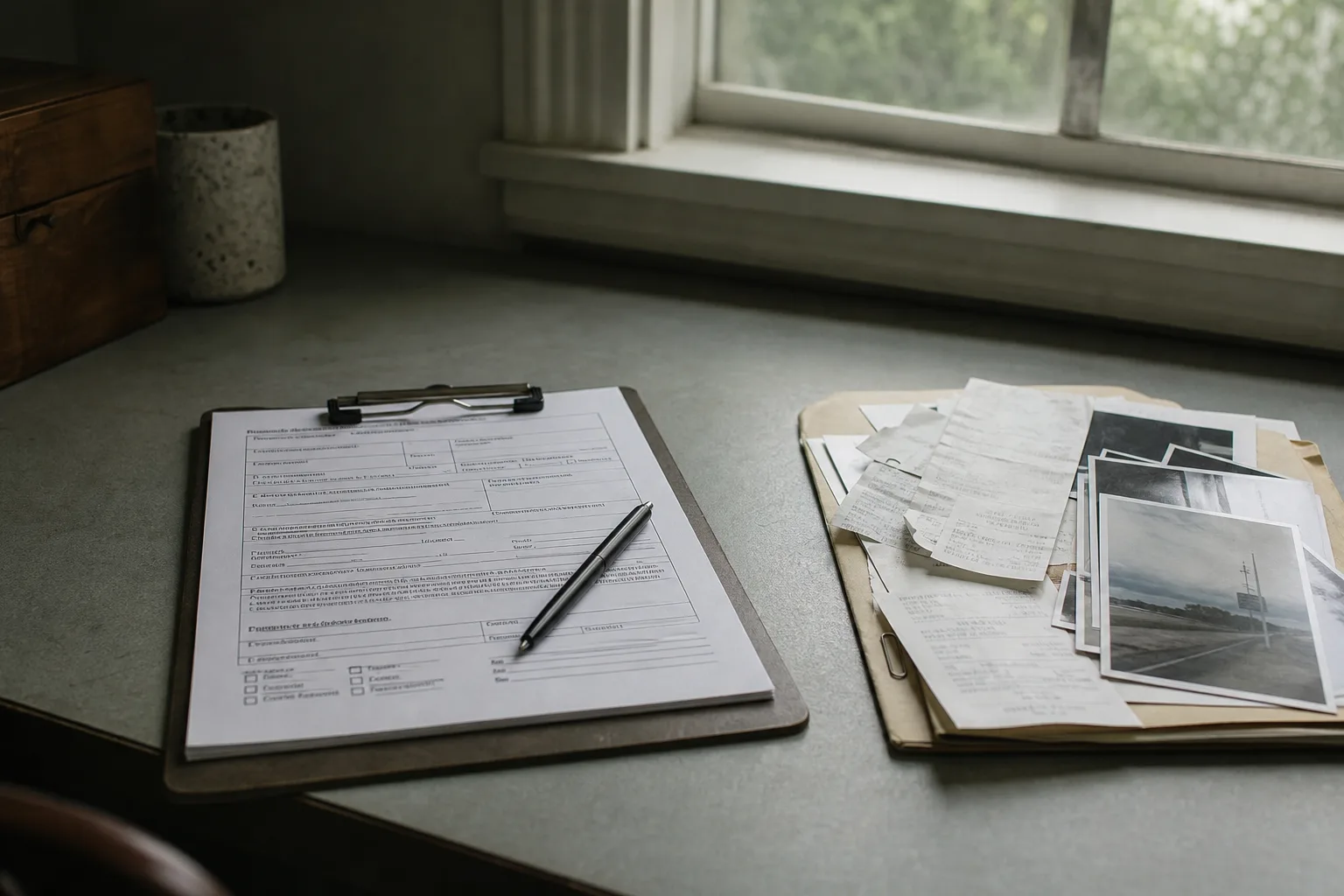
Small claims courts exist because most disputes are about a modest sum, a reasonably clear set of facts, and a party who has simply stopped paying. They are built for people without representation: the filing fee is low, the hearing usually falls within a few months, and in a number of states attorneys are not permitted to appear at all. The sorting question is not how upset anybody is or how much principle is involved. It is whether the amount falls under the state limit, whether the facts can be proved with documents, and whether the other side could actually pay a judgment if one were entered.
The Limit Is a State Question, and It Moves
Every state sets its own ceiling for small claims and the range across the country is wide enough that the same dispute is a small claims matter in one state and a civil filing in the state next door. Several states have raised their limits in recent years, some allow attorneys and some prohibit them, and some permit an appeal that starts the case over from the beginning in front of a different court. None of that is guessable from general reading, and all of it changes what the right first step is.
The county clerk office is the authority on all of it and will give you the current limit, the fee and the service requirements inside one phone call. Anyone who would rather not spend a morning on hold can start from the state by state directory of consumer protection offices and court information kept at USA.gov, which is also where the right regulator for a particular industry turns out to be listed. Get the number first, because it determines which of the three categories below a given problem actually falls into.
The Disputes These Courts Handle Best
A security deposit not returned is the classic case and the one small claims handles most cleanly, since most states require a landlord to return the deposit or provide an itemized statement within a set number of days and many provide additional damages when that does not happen, with the evidence amounting to a lease, a set of move-out photographs and a date. Work paid for and not completed sits alongside it: a contractor who took a deposit and never came back, a repair that failed immediately, a service billed and not performed, all documented with a contract, a payment record and photographs.
Property damage between neighbors or between drivers belongs here too where the value falls below the threshold, because two repair estimates and a set of photographs typically carry it and an insurer involvement does not preclude a claim for the deductible. The most underused application is the unpaid invoice from a small business, since small operators write off invoices every year that they could collect for the price of a modest fee and one morning, and the judgment itself frequently prompts payment before any collection step becomes necessary.
The Matters That Need an Attorney
The dividing line is not complexity in the abstract. It is whether the outcome turns on a legal analysis rather than on facts, and whether the exposure is large enough that a wrong result is not survivable. Anything involving a personal injury with continuing treatment belongs on the attorney side, because valuing a claim requires knowing what the medical picture will look like in a year and settling early is generally irreversible. This category is usually taken on contingency in any case, which removes most of the cost objection before it is raised.
Anything where you could end up liable rather than owed belongs there too, meaning a counterclaim, a construction defect allegation, or an employment claim against your own business, because the asymmetry matters and the downside of a bad outcome dwarfs the filing fee. So does anything touching a status that persists: title to property, an easement, a business ownership dispute, custody. Those produce outcomes that govern for years, and small claims courts generally lack the authority to grant that kind of relief regardless of how clear the facts happen to be.
The Two That Belong Somewhere Else Entirely
Poor work by a licensed trade has a route that is faster and cheaper than either court, because state contractor licensing boards accept consumer complaints, investigate them, and hold genuine leverage over a licensee who wants to keep working. Some states also operate a recovery fund that pays consumers where a licensed contractor cannot, and that route runs in parallel with a court filing rather than instead of it. Financial and consumer product disputes have a similar parallel track, since regulators accept complaints about lenders, servicers and products and companies typically respond in writing within a defined period.
Before filing anywhere, though, establish whether the other side can pay, because a judgment is a piece of paper permitting collection and collection against a party with no assets, no employer of record and no identifiable bank account is difficult work that courts do not do on your behalf. Against a business with premises and an account this is rarely a concern. Against an individual contractor who has already failed several other people it is the entire question, and the answer sometimes points at the licensing board instead, because a license is an asset that person genuinely cares about.
The Step That Comes Before Any Filing
Send a demand letter first, in every one of these categories without exception. It is a short dated document naming the agreement, the failure, the remedy being asked for and the deadline being given, with the supporting paperwork attached and delivery recorded. Two things follow from it. A meaningful share of disputes settle at this stage, because the other side calculation changes once it is clear the matter will not simply be dropped, and where it does not settle the letter becomes the first exhibit, showing a court that resolution was attempted and fixing the date from which you were asking.
Some states require a demand before certain claims can proceed and some consumer statutes provide additional damages where a written demand was ignored, so neither is a reason to skip it and both are reasons to keep the copy. When the filing does come, it is four steps and none of them requires special knowledge: file a short statement of claim and pay the fee, arrange service through the sheriff or a process server, assemble the documents in date order with copies for the court and the other side, and then describe what happened in a few minutes without argument.
Build the amount rather than estimating it, so that every line traces to a document, and include what the statute allows and nothing else, since filing fees and service costs are commonly recoverable while time off work generally is not. A claim inflated with items the court cannot award tends to reduce the credibility of the items it can. Judges in these courts hear the same categories all day and are practiced at finding the relevant facts, and the parties who do well are simply the ones who brought the contract, the payment record and the photographs, which is preparation available to anybody.