FileHousing
Shingles Last Thirty Years on Paper. Here Is What Decides the Real Number
Two roofs with the same shingle can be twelve years apart in service life. The difference sits in the deck, the flashing, the ventilation and the fasteners.
- ByDesmond Falk
- Cut10/2/26
- Length915 words
- Read4 min
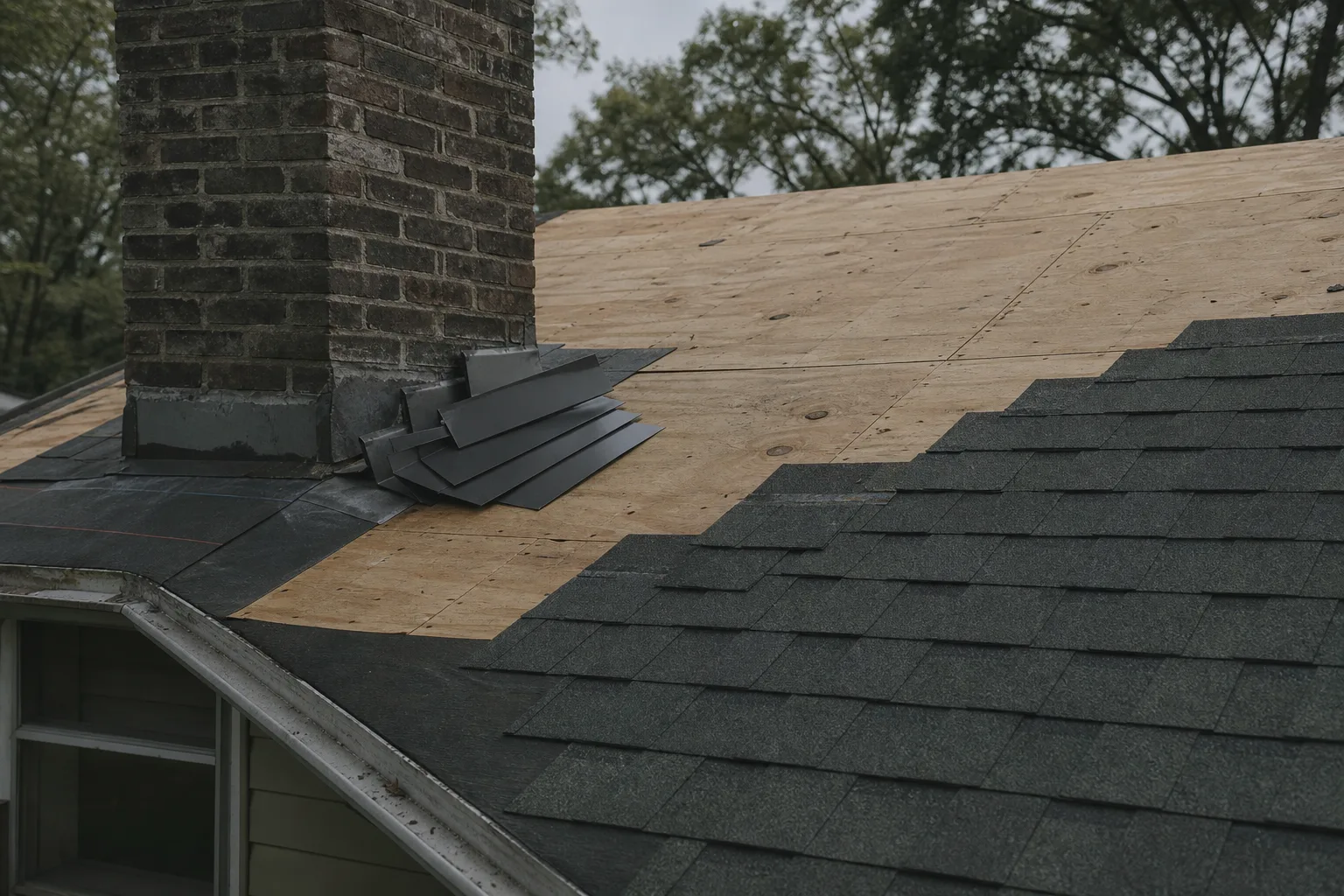
A shingle wrapper says thirty years. The roof it came from might give you thirty-two, or it might give you eighteen and a ceiling stain in the back bedroom. The shingle is rarely the variable. What varies is everything underneath it and everywhere it meets something else, and almost none of that is visible from the driveway once the crew packs up. That is the awkward part of buying a roof: the decisions that determine its service life are made in the two days you are at work.
If you own the house and plan to keep it, the purchase price is the smaller number. The larger number is what the roof costs you per year of actual, dry service, plus whatever it does to the deck, the insulation and the framing while it quietly underperforms.
The lifespan on the label is a laboratory number
Manufacturers rate shingles under controlled conditions. In the field, the same product ages differently depending on how hot the attic gets, how much ultraviolet exposure the slope takes, how well the surface drains, and whether anybody walks on it in August. A south-facing slope over an unvented attic will fail years ahead of a north slope on the same house, with identical materials installed the same day.
Rough ranges are worth holding in your head. Three-tab asphalt is the short end. Architectural laminate asphalt is the volume product on most American houses and sits comfortably in the middle. Standing seam metal, concrete or clay tile, and genuine slate run far longer and cost substantially more up front, with the caveat that fasteners, flashings and underlayment on a long-life roof may need attention well before the field material does. A metal roof with a fifty-year panel and a twenty-year sealant detail is a twenty-year roof at the penetrations.
Where a good job and an adequate one actually diverge
Five items account for most of the gap, and four of them are cheap relative to the total.
- Deck condition. A competent crew sheets over soft or delaminated plywood rather than nailing into it. Fasteners need sound wood to hold wind uplift. Replacement decking is usually priced per sheet as an allowance, so ask how many sheets are assumed and what each additional one costs.
- Flashing. Chimneys, sidewalls, skylights, valleys and vent boots. Reusing old step flashing because it is still technically there is the single most common corner cut, and it is where leaks appear first. New flashing at every penetration should be written into the scope, not assumed.
- Ventilation. Intake at the soffit and exhaust at the ridge, balanced. Ridge vent installed over blocked or painted-shut soffits does nothing. Trapped heat cooks shingles from below and shortens them measurably. The Department of Energy tracks attic ventilation and insulation as part of residential building performance, and the two are related: a hot attic is both a roofing problem and an energy bill.
- Fastening. Nail count, nail placement and nail depth. Overdriven nails cut the shingle. High nails miss the laminate layer. This is invisible after the next course goes on and it is the reason some roofs lose shingles in a thunderstorm at year six.
- Edge details. Drip edge, starter course, ice and water membrane in valleys and at eaves where the climate calls for it.
Making two bids comparable
Most homeowners compare the bottom line of proposals that describe different work. That is not a comparison, it is a coin toss. Ask each bidder to price the same specification: named shingle and color, underlayment type, ice and water coverage, all new flashing, drip edge, ridge and soffit ventilation plan, decking allowance in sheets, and disposal. When the scope is fixed, the spread between quotes narrows and starts to mean something about labor quality and overhead rather than about what was left out.
Then look at who stands behind it. Material warranties cover manufacturing defects, which are rare. Workmanship warranties cover installation, which is where failures live, and they are only worth the length of time the company stays in business. A local outfit with fifteen years of filed work in the same county is a different proposition from a crew passing through after a hail event. Homeowners in northwest Georgia comparing a storm-chaser's price against a settled roofing company in bremen are usually comparing a two-year warranty against one somebody will still answer the phone for.
The running cost nobody puts in the bid
Divide the installed price by the years of dry service you reasonably expect, and the cheap roof often loses. A $14,000 roof that goes twenty-eight years costs about $500 a year. An $11,000 roof with reused flashing that needs intervention at year twelve costs more than that, before you count the drywall, the insulation that got wet, and the fact that the second tear-off may include deck replacement the first one deferred.
Keep the paperwork. Photographs of the deck before underlayment, the ventilation layout, the product names and the warranty registration. In fifteen years, when you are deciding whether a stain is a roof problem or a flashing problem, that folder answers the question in ten minutes instead of a service call.
The useful question to put to a contractor is not how long the shingle lasts. It is what they are doing at the valleys, the chimney and the soffits, and why. A crew that answers that clearly, in writing, is generally the crew whose work you will not think about again for a long time.