FileFinance
Absorb It or File It: The Twenty Minutes of Arithmetic Before Calling a Homeowners Insurer
A claim is a permanent record with consequences at renewal, which makes the decision to file worth twenty minutes of arithmetic before the phone is picked up.
- BySylvia Achterberg
- Cut7/7/26
- Length1,224 words
- Read5 min
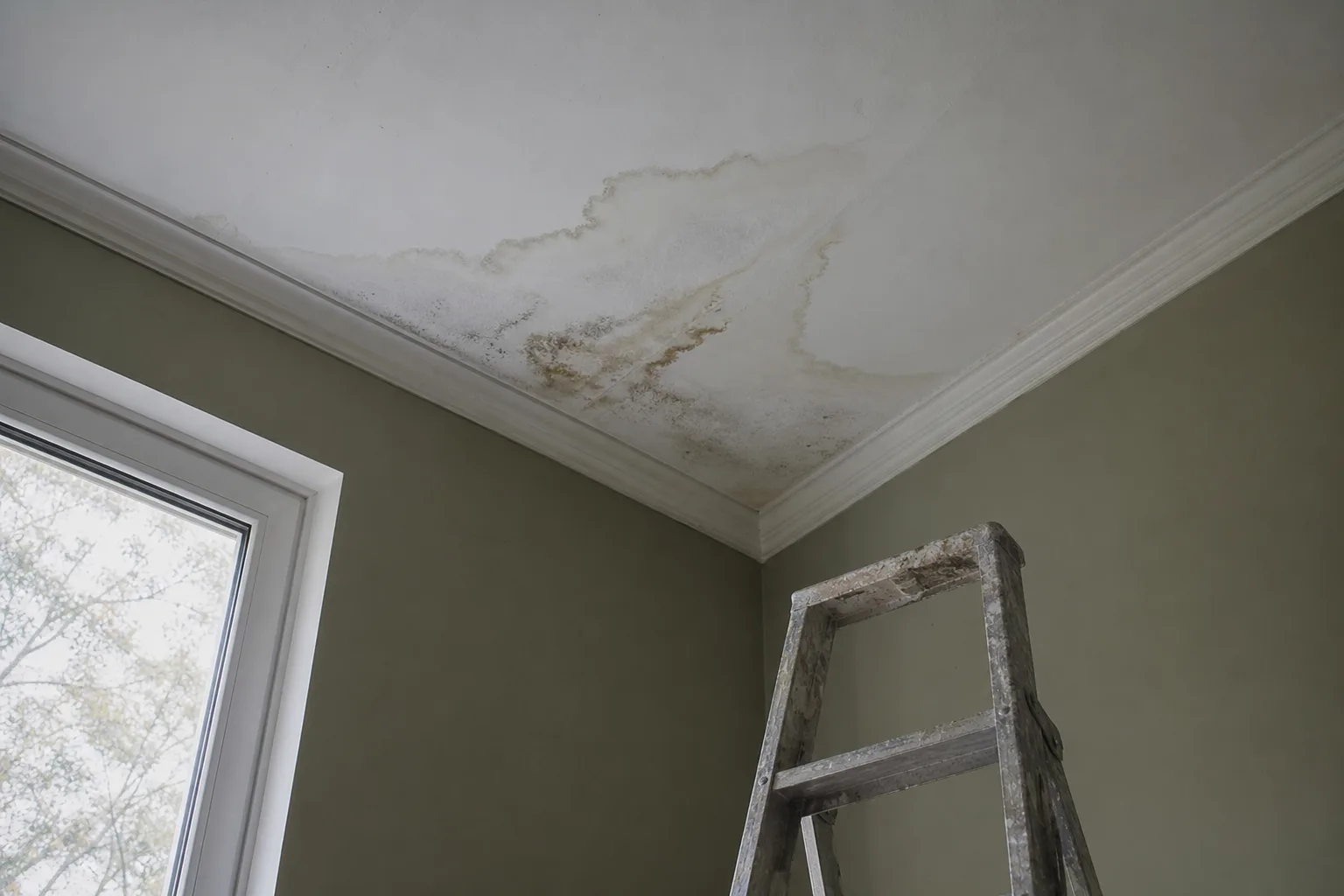
Picture the moment after a storm passes: a wet ceiling, a phone in hand, and the number for the insurer already on the screen. Filing a homeowners claim is not a neutral act. It creates a record that follows both the property and the policyholder, it can affect the premium at renewal, and in some circumstances it affects whether the policy is renewed at all. None of that is a reason not to file. It is a reason to spend twenty minutes deciding deliberately rather than reflexively, because the questions involved resolve most cases clearly in one direction or the other.
The Arithmetic First
Begin with the loss set against the deductible, since a claim only makes sense where the estimated repair meaningfully exceeds it, and get an actual written estimate before deciding, because homeowners routinely overestimate the damage they can see and underestimate the damage they cannot. Then establish whether this is one occurrence or several, because deductibles apply per occurrence and two separate incidents months apart are two deductibles, which changes the arithmetic on both of them and occasionally turns two marginal claims into no claims at all.
Then check which deductible applies, since wind and hail, hurricane, and in some states earthquake deductibles are frequently percentages of the dwelling limit rather than flat amounts, and a homeowner expecting a modest flat figure while facing a percentage is looking at an entirely different decision. The last of the arithmetic questions is whether this is damage or wear, because policies cover sudden accidental loss rather than deterioration, and a roof failing from age and a roof damaged by a storm produce the same leak with very different outcomes.
The Record, and What It Does
Insurers report claims to industry databases that other insurers consult when quoting, and those records persist for several years. They include claims that were reported and closed without any payment being made. A policyholder is entitled to request their own report, and knowing what is already in it before filing is worth the effort, particularly for anybody who has moved recently or bought a property whose previous owner filed. Nobody at a call center will volunteer that the record exists, and it is doing work in every quote a household receives.
Frequency matters more than severity to most underwriters, which surprises people. Two modest claims in three years affects a renewal more than one large claim does, because the underwriting question is about the likelihood of future claims rather than about the size of this loss. Water damage occupies a particular position in that analysis, since insurers regard a water claim as predictive of further water claims, so a modest one can have a larger effect on renewal terms than its size suggests. On a borderline amount, that is worth weighing.
Two Things That Are Not Optional
Telling the insurer promptly that something has happened is written into most policies as a condition of being covered at all, and it is worth separating from the act of claiming. Where a loss might develop into something larger, a notice-only report preserves the right to claim later without necessarily creating a paid claim. The practical move is to ask the agent to record it that way and then confirm in writing what has actually been recorded. Skipping notice entirely to keep the record clean is the one version of this decision that can cost a household the coverage it was trying to protect.
The second is liability, which is a different question altogether and does not belong in this arithmetic at all. If somebody was hurt, or the damage landed on a neighbor property, report it and do not weigh it up first, because the exposure is open-ended, the insurer owes a duty to defend as well as to indemnify, and handling it privately can prejudice the coverage that exists precisely to deal with it. That is the one category where the twenty minutes of deliberation is the wrong instinct.
What to Do While You Decide
Two obligations run whether or not a claim follows. Policies require the insured to take reasonable steps to prevent further damage, meaning covering a roof opening, shutting off water, or removing standing water, and reasonable emergency mitigation expenses are frequently reimbursable, so the receipts are worth keeping even if nothing is filed. The second is to document as though you will file: photographs and video of the damage in its original condition, dated, before anything is moved or repaired.
That evidence is free to collect now and impossible to recreate later, and it costs nothing at all if the household decides against filing. It is also worth understanding what an adjuster is doing, because it explains which facts will matter. An adjuster establishes three things: whether the cause of loss is covered under the policy as written, which is a document question rather than a judgment about fairness, what the damage actually is, and what it costs to repair, calculated from standardized pricing software adjusted for the local market.
Getting Your Own Estimate
Two consequences follow from how that assessment works. The cause matters more than the damage, which is why the first question after any loss is what happened rather than what broke. And because the estimate is built from a pricing database, a homeowner contractor estimate and the adjuster figure frequently differ on individual line items rather than on the total. That makes the gap a negotiable difference rather than a dispute. Comparing the two line by line is therefore far more productive than arguing about totals, and adjusters generally revise on a specific documented discrepancy.
Whatever the size of the loss, obtain at least one independent written estimate from a contractor before agreeing to any settlement figure, since it costs nothing in most trades and establishes what the work actually costs in your market rather than in a database. For a large or complicated loss, a public adjuster is an option worth knowing about: an independent professional who represents the policyholder for a percentage of the settlement, licensed by the state, with a negotiable percentage, and worth considering on a substantial claim while rarely worth it on a modest one.
When Paying for It Yourself Is the Better Answer
The pattern is fairly consistent once the questions have been worked through. Small losses close to the deductible, damage that is arguably wear, and second claims within a short period are usually better absorbed. Large losses, anything structural, anything involving liability, and anything the household could not comfortably fund are exactly what the policy exists for and should be claimed without agonizing over it. The genuinely close cases sit in the middle, and the useful tiebreaker there is the renewal rather than the repair.
Ask the agent directly what effect a claim of this size would have on the policy, and whether the carrier is currently writing or restricting business in your area, because agents generally answer that candidly and the answer is the piece of information the arithmetic was missing. A homeowner who works through all of this before picking up the phone arrives at the same decision an experienced adjuster would, with the photographs already taken and the estimate already in hand, which is a considerably stronger position than the one that starts with a phone call from a wet hallway.