FileLegal
Thinking of Recording That Call? In Some States It Is a Crime, and Better Evidence Exists
Consent rules for recording conversations differ by state, and a recording made under the wrong rule can be inadmissible and separately unlawful at once.
- BySylvia Achterberg
- Cut6/11/26
- Length1,047 words
- Read4 min
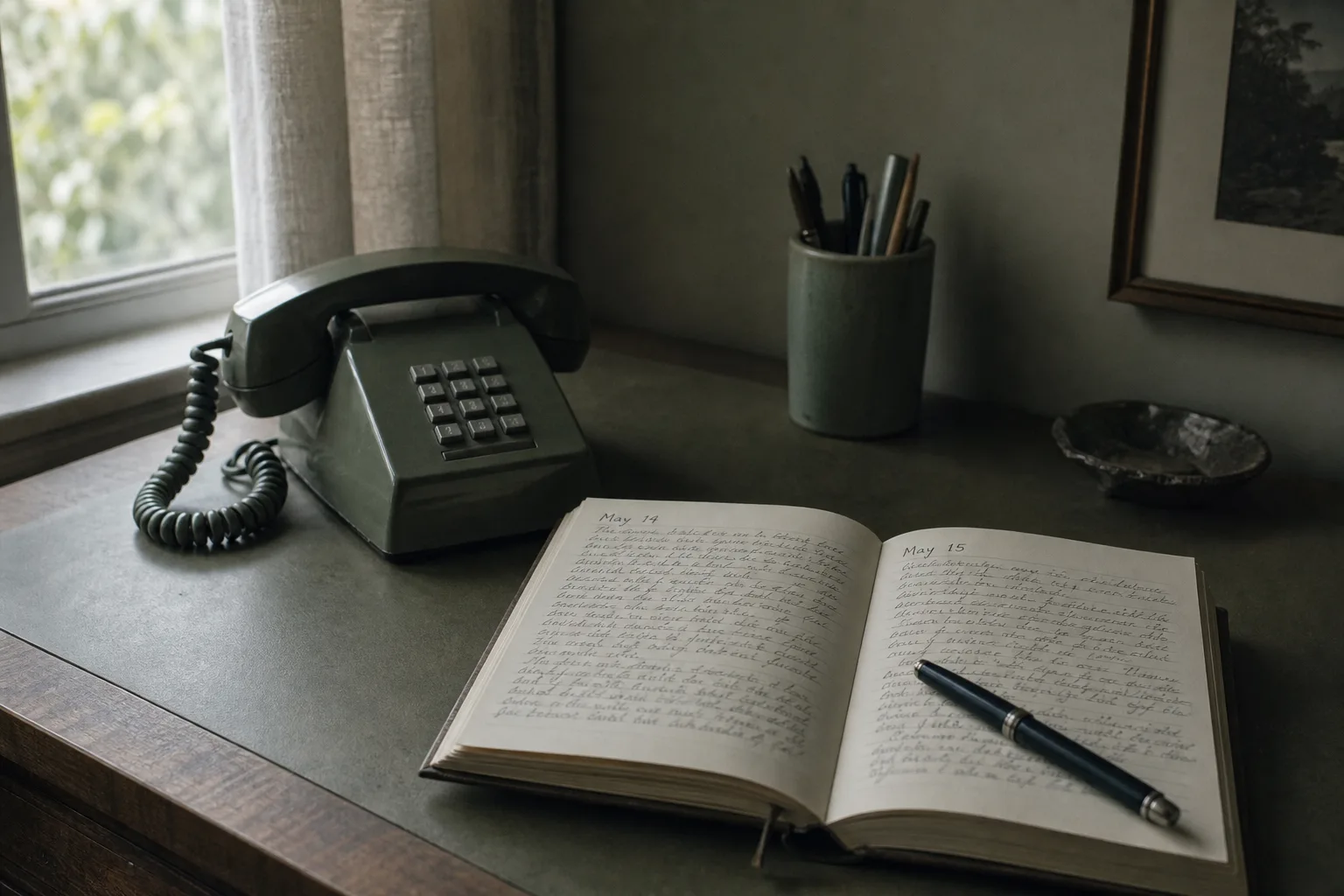
Somebody in the middle of a dispute reaches for their phone during a call, thinking that a recording will settle the question later. It is the one form of evidence where the method of collection can create a larger problem than the dispute it was meant to resolve. Consent requirements for recording a conversation are set by state law and they differ from one state to the next. The difference is not procedural: in a number of states, recording without the required consent is a criminal offense and also gives the other party a civil claim against the person who made it.
One Party and All Party Consent
Most states follow a one party consent rule, meaning a conversation may be recorded by somebody who is part of it, and a participant recording their own call satisfies the requirement because they are the consenting party. A minority of states require the consent of everyone in the conversation, and in those states a participant who records without telling the others is generally acting unlawfully regardless of the reason and regardless of whether the recording is ever played to anybody or used for any purpose at all.
Two complications sit on top of that. Federal law sets a one party floor while state law can be stricter and generally governs conduct within that state, and a call spanning two states raises the question of which rule applies, on which practice varies. The conservative approach, and the one most practitioners recommend, is to apply the stricter rule whenever any participant is in an all party state. The practical resolution is simpler than the analysis: announce at the start that you are recording and continue only if nobody objects, which satisfies every rule and costs one sentence.
Why a Recording Persuades Less Than People Expect
Even where recording is entirely lawful, a recording is a less useful piece of evidence than most people assume. Admissibility rules vary and can exclude it outright. It captures tone, which cuts in both directions and frequently makes the person who made it sound worse than the person they were recording. And disputes are usually decided by what was agreed rather than by how it was said, which means the recording answers a question nobody was actually asking. Producing one in a negotiation also changes the relationship immediately and rarely in your favor.
Where a recording genuinely helps is a narrow case: a factual admission that the other side later denies making. That situation is rare enough that building a strategy around it is a poor use of attention, particularly when three alternatives carry most of the same weight, are lawful in every state without exception, and are more persuasive to the person eventually reading the file. The alternatives also have the advantage of being ordinary business practice rather than something that has to be explained.
The Three Alternatives That Work Everywhere
The confirming email is the first and the strongest. After a call, send a short message setting out what was agreed, meaning the date, the substance and the next step, and ask the other party to correct anything wrong. Whether they reply or not, there is now a dated contemporaneous document, and silence in response to a clear written summary is itself meaningful to anybody assessing the matter later. It takes four minutes and it produces a record that nobody can characterize as having been made in secret.
Contemporaneous notes are the second, written during or immediately after a conversation, dated, factual, and kept in the order they were made, since notes written at the time carry considerably more weight than a recollection typed up months afterward and are ordinary business records rather than anything unusual. The third is simply moving the exchange into writing, because saying that you would prefer to handle a contentious matter by email is entirely reasonable, most organizations accommodate it without comment, and the record then creates itself without anybody having to maintain it.
What Makes a Document Persuasive
Four qualities apply equally to notes, emails and photographs. Being contemporaneous matters most, meaning created at the time rather than assembled afterward. Being specific and neutral matters next, since a note recording dates, amounts, names and what was said reads as a factual record and is credited accordingly, while one that reads as a case being constructed gets discounted by everybody who sees it. Being complete matters third, including the parts that do not help, because a file with obvious gaps invites the question of what used to be in them.
Being unaltered is the fourth, meaning kept in original form with the original file rather than retyped or edited into a summary. That last point matters most with photographs, which are the most underused evidence in ordinary disputes and among the most persuasive, since digital images generally carry embedded date, time and often location data, which is exactly what converts a photograph into a dated record. That data is easily stripped by messaging services and screenshots, so the rule is to keep originals where they were made, share copies, and never delete the source.
What Somebody Else Already Holds
People building a file usually think only about what they have, and a substantial part of the useful record sits with third parties who will hand it over on request. The building department holds permits, plans and inspection results as public records available for a small copying fee. A bank or card issuer holds transaction records going back years, which establishes what was paid and when. An insurer holds the claim file, including the adjuster report and any expert opinion obtained during it, which the insured is generally entitled to see.
Utility and service providers hold usage data that occasionally settles factual questions about when a property was occupied or when something stopped working. The other party holds their own records, which formal proceedings can compel and which an informal request will sometimes produce anyway. Text messages belong in the same category of things worth securing early, since a full thread export is far stronger than a screenshot and devices get replaced. A file built from confirming emails, dated notes and original photographs is stronger than one built around a recording. It never creates a second problem alongside the first.