FileTourism
Small Charges That Apply to Everything: What Quietly Inflates a First Trip Abroad
The costs that catch first-time international travelers are not the large ones, and every one of them is settled by a decision made before departure.
- BySylvia Achterberg
- Cut7/17/26
- Length867 words
- Read4 min
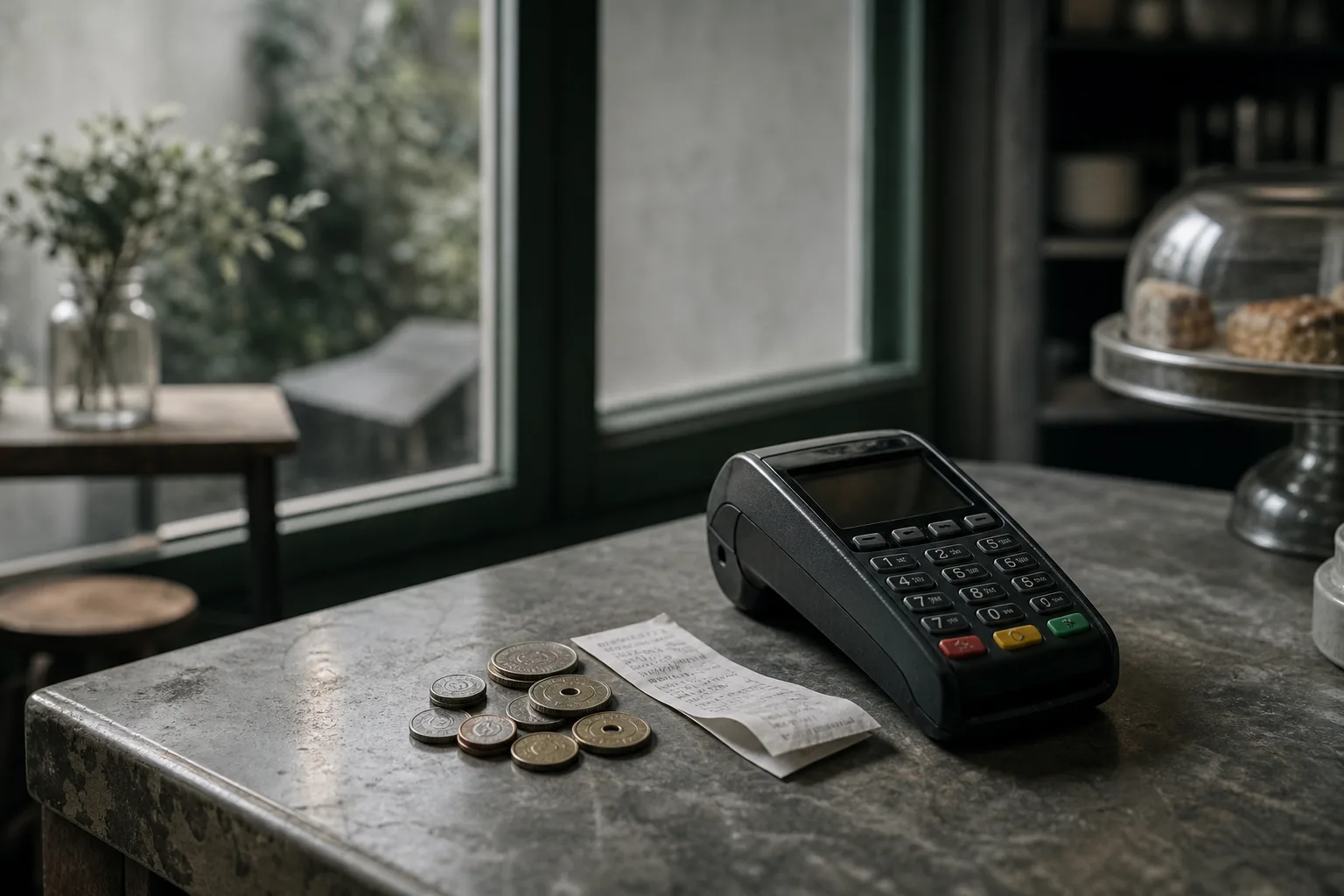
Look down the statement after a first trip outside the country and the surprise is never a single large line. It is a hundred small ones, each a little higher than the number remembered from the counter, and a few charges nobody recalls agreeing to at all. A handful of recurring costs account for most of the gap between what a first international trip was budgeted at and what it came to. None is large on its own, several apply to every single transaction, and each one is settled by a decision that had to be made before leaving home.
The Charges That Attach to Every Purchase
Most credit cards add a small percentage to any transaction processed abroad and many debit cards do the same, which is invisible on a coffee and considerable across two weeks of coffees, meals and tickets. Cards carrying no foreign transaction fee are widely available and the structure is stated plainly in the terms. That makes this the single decision that pays for itself most reliably and also the one that has to be made early, since a new card takes time to arrive and cannot be arranged from a hotel lobby.
Dynamic currency conversion is the second and works by reflex rather than by stealth. A card terminal or a cash machine abroad offers to charge in dollars rather than the local currency, framed as a convenience, and accepting means the merchant payment processor sets the exchange rate, which is consistently worse than the rate the card network would have applied. Always choose the local currency. The offer arrives at the moment of payment, when nobody is reading carefully, which is precisely what it is designed around.
Cash, and the Two Fees on Every Withdrawal
Cash withdrawals abroad typically attract a fee from the local bank operating the machine and a separate one from your own bank, plus in many cases a foreign transaction percentage layered on top of both. That structure rewards fewer and larger withdrawals rather than frequent small ones. It rewards using machines operated by actual banks rather than the standalone units clustered in tourist areas, which commonly charge more and are considerably more likely to push the currency conversion offer at the point of payment.
Roaming, and the Holds That Are Not Charges
Domestic plans including some international use are now common and the details vary enormously, with some applying a daily flat charge whenever the phone is used at all, some including data at reduced speeds, and some charging per megabyte at rates that produce genuinely alarming bills. One call to the carrier before departure, asking specifically about the countries on the itinerary, settles it, and a local or electronic SIM plan is frequently far cheaper for a longer trip and takes a few minutes to configure.
Deposit holds are the other line that confuses people because it is not a charge at all. Hotels and rental car companies commonly place an authorization against the card at check in, covering incidentals or an insurance excess, which will be released but meanwhile reduces available credit, sometimes for several days after departure. On a card with a modest limit, two hotel holds and a car rental hold together can produce a declined transaction on day nine with no obvious explanation. That is why a second unused card is worth carrying.
Departure Taxes, Entry Fees and Tipping
Some countries charge a departure tax collected at the airport rather than folded into the airfare, and some now require a paid electronic travel authorization obtained in advance, both of which are modest and both of which are unpleasant to discover at a counter with a flight to catch. Checking entry requirements for each destination several weeks ahead handles both. Tipping norms differ sharply as a separate matter, and in countries where service is already included, adding an American tip to every meal quietly raises the food budget by a meaningful proportion across a fortnight.
Money That Runs the Other Way
Two mechanisms return money to an American traveler and both are underused because each requires action at a specific moment. Many countries operate a value added tax refund on goods bought by visitors and taken home, at a rate worth having. The process requires asking the retailer for the correct form at the time of purchase, keeping the goods available for inspection, and processing the claim at the airport before checking any baggage. It applies to goods rather than to meals or lodging, and travelers who learn about it after leaving the shop have already missed it.
On return, a personal exemption allows a traveler to bring back goods up to a stated value without duty, with separate allowances for alcohol and tobacco and different figures for certain destinations, and keeping the receipts while declaring accurately is both the requirement and the easier path through the airport. All of this is handled in one sitting before departure: confirm the card terms and take a second card, call the carrier, check the entry requirements, and then hold two rules for the trip itself, which are to pay in the local currency always and to withdraw cash rarely and in larger amounts.