FileLegal
Why Does the Order You Complain In Decide What a Contractor Dispute Can Recover?
Complaints about contract work succeed or fail on sequence, because each stage produces the record that the next stage needs before it will act.
- ByDesmond Falk
- Cut4/23/26
- Length1,082 words
- Read5 min
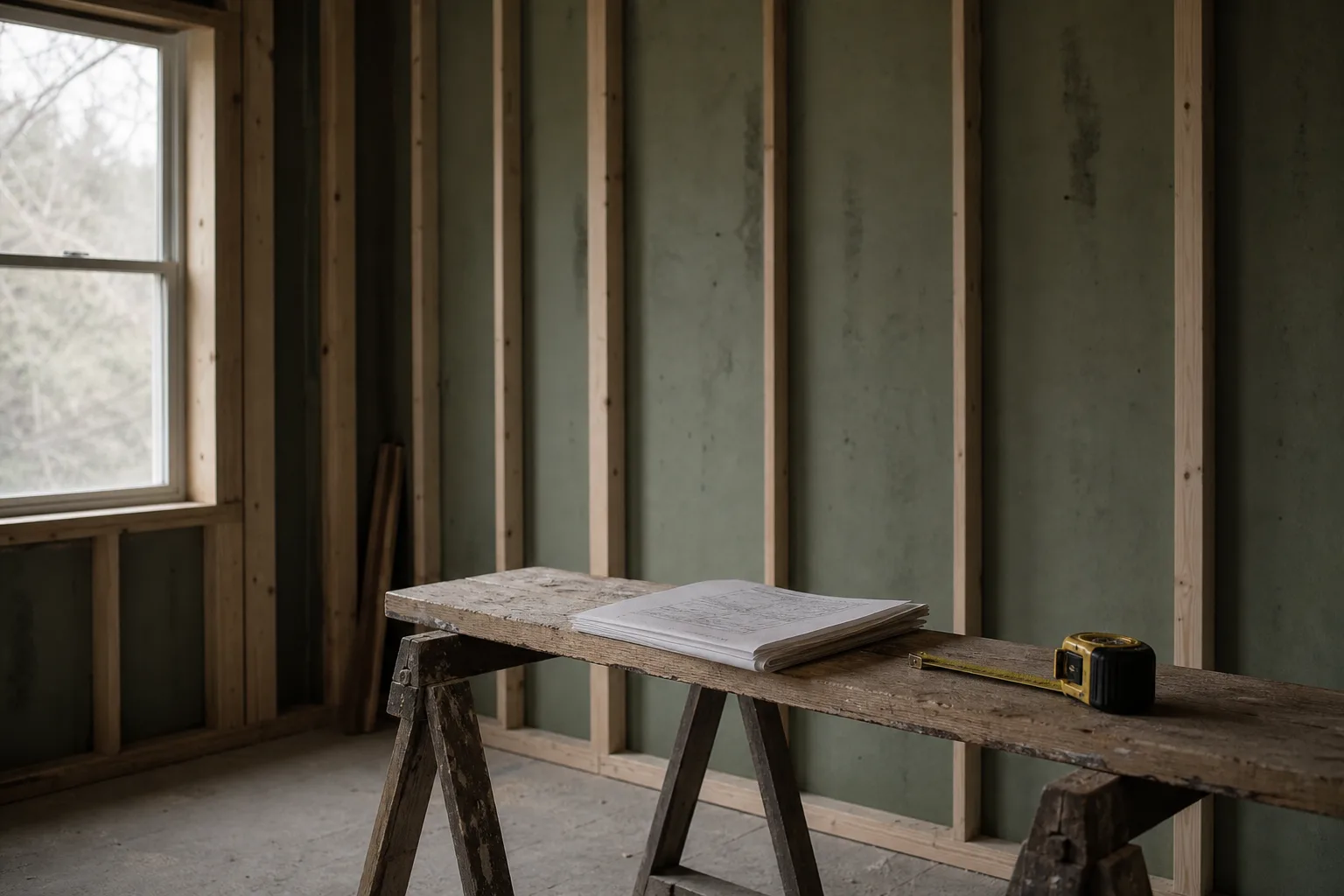
Work booked over the winter starts in April, the schedule slips in early May, and by the end of the month a household is holding a half finished job and a contractor who has stopped returning calls. Home improvement complaints follow a predictable arc, and the parties who do well are almost never the ones who escalated fastest. They are the ones who escalated in order, because each stage produces the record that the next stage requires, and skipping one generally means arriving at a licensing board or a courtroom without the documentation that office expects to see before it will act on anything.
The Specific Written Request
Before anything else, put the problem in writing to the contractor and be specific in a particular way: what the contract or estimate said, what was done instead, what you want done, and by when. Three sentences of fact are worth more than three paragraphs of dissatisfaction. The difference is not politeness but usability, since this document will later be read by a licensing investigator, an insurer or a judge, and its value depends entirely on whether it reads as a reasonable person setting out a reasonable request.
Send it by email so the date is fixed, keep the tone flat, and give a real deadline, generally one to two weeks for a response and a realistic period for the work itself. A large share of disputes end at exactly this point, because many problems on a job site are miscommunication rather than refusal, and a written statement of what was expected resolves them without anybody having to concede anything. The ones that do not end here have now produced their first exhibit, at a cost of ten minutes.
The Formal Channel Inside the Company
If the person on site is the problem, the next step is the company rather than the regulator, because larger contractors have an office, an owner or a franchise structure with a complaints process. The site crew is frequently not authorized to resolve anything financial at all. Asking specifically for the complaint procedure and the name of the person handling it costs one email, and whether or not it works, having asked becomes a fact worth having in the record when somebody later asks what steps were taken before the complaint was filed.
For work arranged through a general contractor with subcontractors underneath, this step matters legally as well as practically. Your contract is generally with the general contractor, so directing a complaint at a subcontractor you never engaged confuses the chain of responsibility and gives everybody involved a reason to point elsewhere. Keeping the complaint aimed at the party you actually paid is what keeps the file coherent, and coherence is most of what makes a file persuasive to somebody reading it cold six months later.
The Licensing Board, Which Most People Skip
This is the step households skip most often and it carries more leverage than they expect. State contractor licensing boards accept consumer complaints, investigate them, and hold authority over the license a contractor livelihood depends on, which concentrates attention in a way that no amount of correspondence does. Many states also require licensed contractors to carry a bond that a consumer may be able to claim against, and some operate a recovery fund built for precisely this situation, neither of which is available to somebody who went straight to court.
Where the trade is unlicensed, or where the issue is a sales practice rather than workmanship, the parallel route is the state or local consumer protection office, and the state by state directory of those offices at USA.gov is the quickest way to find the right one. Both routes depend on the documentation produced by the first two steps, meaning the contract, the payment record, the written request and either the response or the demonstrable absence of one, which is the specific reason the order matters rather than a general preference for tidiness.
What to Gather While the Job Is Still Live
Evidence collected during the work is worth several times evidence assembled afterward, and collecting it is undemanding once it becomes routine. Dated photographs at the end of each working day, including the days when nothing happened, since a record of an empty site across eleven consecutive days is difficult to argue with. The contract, the estimate and every change order, with a short email confirming anything agreed verbally on site, because verbal changes are where most cost disputes begin. Payment records tied to milestones, so that what was paid can be matched against what stage the work had reached.
Two more belong on the same list. The permit and inspection record is public information at the building department, and whether a permit was pulled, in whose name, and what an inspector signed off frequently settles the question of whether work met the standard. And a one line daily log of who was on site, what was said and what was promised, written the same day rather than the same month, converts a summer of vague recollection into a chronology. Alongside that, ask for a certificate of insurance from the agency before work starts.
The Clocks Running Underneath All of It
Four clocks run from the moment a problem appears and none of them pauses while anybody negotiates. Any express warranty in the contract has a term. State law sets an outer deadline on suing at all, usually two of them, one running on the contract claim and a separate and often longer one running on a defect that only becomes visible later. Many states impose a notice and opportunity to cure requirement, meaning a homeowner must give written notice and a chance to fix the work before filing suit, and skipping that can delay or bar a claim entirely.
The fourth runs on the contractor side, because contractors and suppliers who have not been paid may have the right to file a lien against the property on a deadline measured in weeks after the last work performed. A lien complicates any sale or refinancing, and a dispute in which payment has been withheld is exactly the situation that produces one. That makes withholding payment a decision to take deliberately rather than casually. Worked in order and on a calendar, with two weeks allowed at each of the first two stages, the sequence usually resolves at step one or step three. The file assembled along the way is what made the later step credible.